


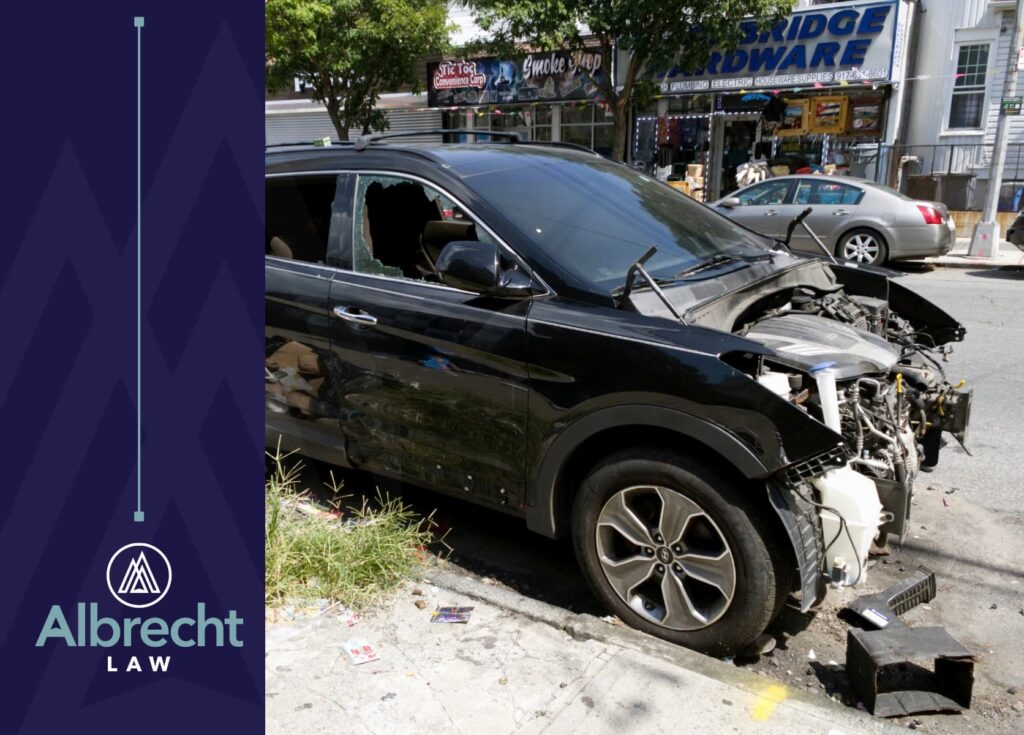
For many people in Spokane and across Washington state, a car is tied to your routines and responsibilities. You rely on it to get to work, run errands, visit family, and travel the long stretches of eastern Washington where wildlife crossings and winter weather can create sudden hazards. When a car accident leaves your vehicle damaged, whether you hit a deer, slid on ice, or were struck by a negligent driver, the situation can feel like a lot to take in. You may still be processing what happened as you look at your damaged car and wonder what this means for your transportation, your budget, and your next steps.
That is often when this question comes up: “When is a car considered totaled?” The answer affects your insurance claim, the value of your vehicle, and how soon you can get back on the road while you manage physical injuries, medical bills, and the other pressures that follow a Washington car accident. Talking with an insurance adjuster and trying to understand insurance company decisions can make an already stressful situation feel even more complicated.
A Washington personal injury lawyer at Albrecht Law PLLC can explain how insurers decide when a vehicle is a total loss, how Washington law applies in these situations, and what steps you can take to protect yourself during the process.
How Insurance Companies Decide When a Car Is Totaled
After a Washington car accident, the insurance adjuster examines your vehicle’s condition through repair shop estimates, photos, and a police report if one was filed. The adjuster then compares the estimated repair cost to the car’s actual cash value and salvage value.
Insurance companies generally consider a vehicle totaled when the cost of repairs, combined with the vehicle’s salvage value, meets or exceeds the car’s actual cash value or Washington’s total-loss formula classifies it as a total loss.
This determination influences your insurance claim, the property damage settlement, and in many situations, the financial risk you may face if you still owe money on the vehicle. A totaled finding can also impact your transportation options while you manage any physical injuries and related challenges from the crash.
Washington’s Total-Loss Formula
Washington is a Total Loss Formula (TLF) state. Insurers use a standard calculation to decide whether repairing a vehicle makes financial sense. A car is considered a total loss when repair costs plus the vehicle’s salvage value are equal to or greater than its actual cash value (ACV).
ACV is the car’s fair market value before the accident. When repairs approach that number, and the salvage value pushes the total higher than the ACV, insurers classify the vehicle as totaled.
After a total-loss decision, the vehicle often qualifies as a salvage vehicle under RCW 46.04.514, which governs how titles are handled once a vehicle has been declared uneconomical to repair.
This formula explains why Spokane drivers sometimes see a total-loss decision even when the car looks repairable. Frame damage, airbag deployment, parts shortages, or structural repairs can raise repair costs quickly enough to trigger the TLF.
Here’s a simple example. If your car’s actual cash value is $15,000, repairs cost $10,000, and the salvage value is $6,000, the total reaches $16,000. Because that number is higher than the car’s ACV, the insurer would classify it as a total loss. This is how even damage that looks manageable can exceed the TLF once structural or safety-system issues are included.
Washington drivers also have the option to keep a totaled vehicle. If you choose this route, the insurer reduces the settlement by the salvage value so you can retain the car. Many people consider this when the vehicle still runs or has personal value, but it does require accepting a rebuilt or salvage title.
Total-loss settlements in Washington are also guided by WAC 284-30-391, which outlines how insurers must determine actual cash value and support their valuation with comparable data.
How Salvage Value Influences the Decision
Salvage value represents what the vehicle is worth in its damaged condition. If the salvage value is high enough that repairing the car doesn’t make financial sense for the insurance company or the at-fault driver’s carrier, they’ll classify it as totaled.
This can frustrate accident victims who believe the vehicle is repairable. However, insurers evaluate the full financial picture, including:
- Structural or frame repairs
- Safety-system damage
- Paint and bodywork
- Parts availability
When these costs approach the actual cash value, the insurance industry weighs the salvage value as part of the Washington law formula. If the numbers lean toward a total loss, the adjuster issues that determination even when the exterior damage appears manageable at first glance.
When You Owe More Than the Car’s Totaled Value: How GAP Coverage Works
A common concern after a total-loss decision is the balance on your auto loan. Many drivers in Spokane learn that the insurance company’s payout is lower than the amount they still owe. This happens when the car’s actual cash value decreases faster than the loan balance, which is common with newer vehicles, higher interest rates, or long loan terms.
This gap between what you owe and what the insurer pays can leave you responsible for the remaining loan balance unless you purchased GAP insurance.
GAP coverage may help when:
- Your vehicle’s loan balance is higher than its actual cash value
- You financed most or all of the purchase price
- You had a long-term loan
- Your vehicle depreciated more quickly than expected
If GAP coverage applies, it may cover the difference between the insurer’s payout and your remaining loan balance. Without GAP insurance, you may still owe the lender even though the vehicle has been declared a total loss.
This issue often catches accident victims by surprise, especially when they lose transportation and still face a remaining loan. When you combine this financial pressure with ongoing conversations with the insurance adjuster about salvage value, collision coverage, or uninsured motorist coverage, the total-loss process becomes more complicated.
If a negligent driver caused the auto accident and you are considering a personal injury claim, your attorney can factor loan-related financial strain into the broader discussion of damages. But even without a personal injury case, understanding how GAP coverage works is important for deciding your next steps after a Washington car accident.
How a Total-Loss Decision Can Disrupt Your Life After a Spokane Auto Accident
When the insurance company decides your car is a total loss, the effects reach your daily life right away. You may need to make fast decisions about transportation, replacements, and whether the insurer’s valuation is fair. During this process, the adjuster may request photos, documentation, or a repair estimate from a shop to confirm the total-loss decision. These steps can slow the payout you need to move forward.
A total-loss finding can disrupt:
- Getting to work
- Medical appointments if you were injured
- School and childcare routines
- Errands or family responsibilities
- The process of finding a replacement vehicle
If you’re also gathering medical bills or coordinating care, losing reliable transportation adds another layer of difficulty. For families dealing with a wrongful death claim, the loss of a vehicle becomes one more logistical challenge during an already stressful time.
A totaled vehicle can influence how quickly you return to your routine and how smoothly you move through the insurance process.
What to Do After an Insurance Company Totals Your Car
If the insurance company tells you your car is considered totaled, you can take a few practical steps to move forward:
- Request the valuation report to see how they determined actual cash value
- Review the repair estimate to confirm the damage assessment
- Inspect the salvage value assigned to your vehicle
- Consult a Washington personal injury lawyer if injury occurred at the same time
- Assess the impact on lost wages, medical bills, and future medical care
- Track all documents, including the police report, medical records, and accident claim forms
These steps can be beneficial if you later decide to consult a legal team for help with your claim.
Talk With Albrecht Law When Your Accident Leads to Insurance or Injury Challenges
A totaled car creates real challenges. You may be facing unexpected expenses, a loss of transportation, and delays from the insurance company at the same time you’re trying to manage medical bills or missed time from work. When the valuation seems too low or the claim is not progressing the way you expected, it can be difficult to know what to do next.
At Albrecht Law, we assist people across Spokane and eastern Washington with the legal and insurance issues that follow a car accident. Our Washington car accident attorneys review the insurance company’s decisions, communicate with adjusters on your behalf, and work to protect your rights under Washington law. Whether your case involves a totaled vehicle, a dispute over value, or injuries caused by a negligent driver, our legal team is prepared to address your concerns and guide you through the process.
If you’ve been searching for an “auto accident law firm near me” and want to speak with a team that understands the challenges you’re facing, contact Albrecht Law today. Call (509) 495-1246 to schedule a FREE consultation or reach out through our confidential online form. Our legal team will review your situation and explain what steps may be appropriate after a Spokane auto accident.
Albrecht Law PLLC — Our Clients Are More Than Just Cases
Copyright © 2026. Albrecht Law PLLC. All rights reserved.
The information in this blog post (“post”) is provided for general informational purposes only and may not reflect the current law in your jurisdiction. No information in this post should be construed as legal advice from the individual author or the law firm, nor is it intended to be a substitute for legal counsel on any subject matter. No reader of this post should act or refrain from acting based on any information included in or accessible through this post without seeking the appropriate legal or other professional advice on the particular facts and circumstances at issue from a lawyer licensed in the recipient’s state, country, or other appropriate licensing jurisdiction.
Albrecht Law PLLC
5105 E. 3rd Avenue, Suite 101
Spokane Valley, WA 99212
(509) 495-1246
https://albrechtlawfirm.com/
Schedule A Free
Consultation Today
No Fee Unless You Win
Call (509) 495-1246(509) 495-1246, or fill out the short form. Don’t hesitate, your questions are welcome.
Required Fields*
Your Information Is Safe With Us
For more information on how your data will be handled, Please Visit Privacy Policy. The information you provide will be used to answer your question or to schedule an appointment if requested.
Related Blog Posts
What Are the Different Types of Auto Accidents in Spokane, Washington?
You were just driving through Spokane. Maybe heading to work, running errands, or taking your kids somewhere. Then, in an instant, everything changed. A sudden stop. A loud impact. Now…
Auto Accident Settlement Timeline in Spokane, Washington: What You Need to Know
A serious car accident in Spokane rarely feels like a one-day event. The crash is over in seconds, but the impact lingers weeks or months later when you’re still dealing…
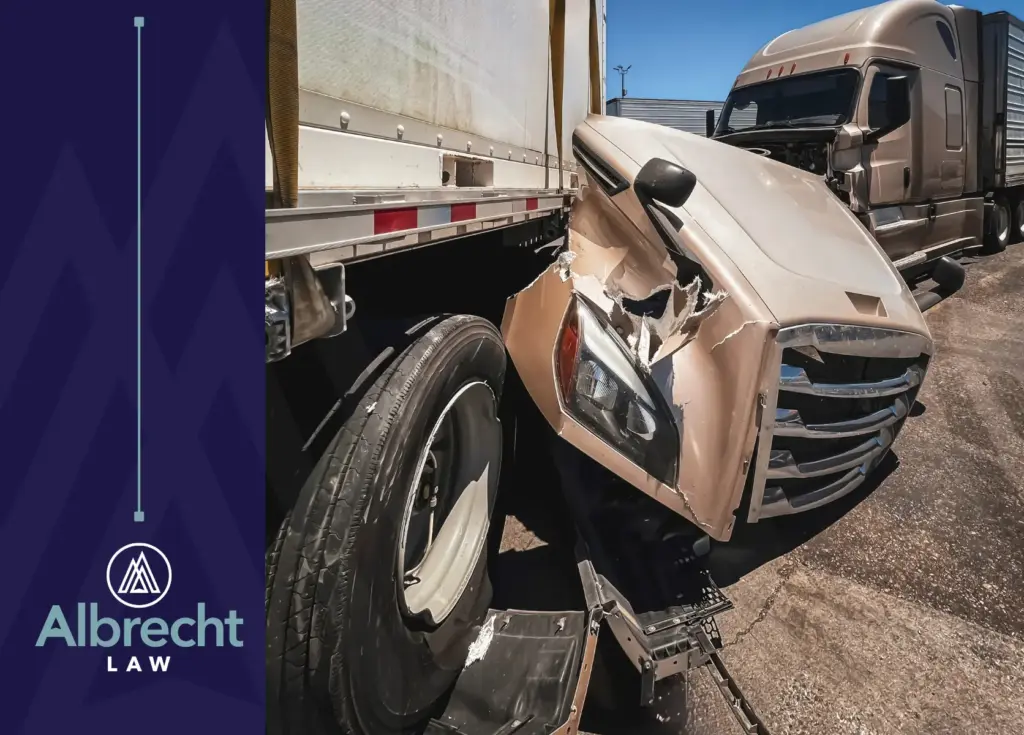
The Role of an FMCSA HOS Violation in a Truck Accident Lawsuit in Spokane, WA
A loaded semi truck traveling at highway speed needs the length of a football field to stop under ideal conditions. When the driver behind the wheel hasn’t slept in over…
How Long Do Car Insurance Claims Take in Spokane, Washington?
After a car accident, the waiting often feels harder than the collision itself. You’ve reported the accident, exchanged insurance information, and answered questions from a claims adjuster. Maybe you’ve already…