


Injured in a Truck or 18-Wheeler Accident in Spokane, WA? Evidence, Liability, and How to Protect Your Claim
September 15, 2026 – Matt Albrecht
The collision lasted only seconds, but the consequences continue long after the vehicles leave the highway. Pain interferes with sleep and work, medical appointments consume your time, and bills arrive before you know how much treatment you will need.
While you focus on your injuries, the trucking company and its insurance representatives are already building their account of the crash. They have access to the truck, driver logs, electronic data, maintenance records, and other information you have never seen.
An 18-wheeler accident or another commercial truck collision is not simply a larger version of a typical car accident. Finding out what caused it often requires examining the truck driver, trucking company, vehicle, cargo, and commercial records. Even if you left the accident scene without taking photographs or collecting information, you can still take steps to protect your health and your truck accident claim.
At a Glance
- You haven’t necessarily harmed your claim if your injuries prevented you from collecting evidence at the accident scene.
- Continue your medical treatment and document how your injuries affect your work and daily life.
- Save insurance correspondence, medical bills, photographs, receipts, and employment records.
- The trucking company controls records and electronic information you won’t find in the police report.
- The driver, motor carrier, vehicle owner, cargo company, maintenance provider, and other parties could share fault.
- Don’t sign a settlement release before you know the full extent of your injuries and future care needs.
- Washington law reduces compensation if you share fault, but partial fault doesn’t automatically prevent recovery.
- Washington law gives you three years to file a personal injury lawsuit after a truck accident, although valuable evidence can disappear much sooner.

You’ve Left the Accident Scene. What Should You Do Now?
Advice about photographing skid marks or collecting the truck driver’s name doesn’t help when you’re already home or in the hospital. Figuring out what to do after a truck accident starts with focusing on the steps still available to you. If an ambulance transported you or your injuries kept you from gathering information, you can begin with your medical care and the records already in your possession.
Continue Your Medical Treatment
Tell your medical providers how the truck crash occurred, when your symptoms began, and how they have changed. Attend recommended appointments and follow treatment instructions.
Medical records connect your injuries to the collision and document diagnoses, work restrictions, physical limitations, rehabilitation, and future care. If cost, transportation, or scheduling interferes with treatment, tell your provider. An unexplained gap gives insurance companies an opportunity to argue that your injuries improved or came from something else.
Record What You Remember
Write down your recollection while the details are fresh. Include:
- Where you were traveling and which lane you occupied
- Traffic, road, lighting, and weather conditions
- What you saw the semi truck do
- Whether you heard braking, a horn, or another impact
- Anything the truck driver or witnesses said
- Company names or vehicle numbers you remember
- When your pain or other symptoms began
Don’t fill gaps with guesses. If you don’t remember something, say so.
Preserve What You Already Have
Save photographs, videos, damaged personal property, towing records, medical documentation, employment records, and insurance correspondence. Keep a record of appointments, missed work, treatment expenses, and activities your injuries prevent or make more difficult.
You can request the collision report through the Washington State Patrol collision-records system. It could identify the truck driver, trucking company, witnesses, vehicles, and insurance information.
You Didn’t Collect Evidence at the Scene. What Happens Now?
You haven’t lost your opportunity to establish what happened simply because you didn’t photograph the commercial truck or speak with witnesses. In fact, some of the most important evidence in a truck accident claim was never available to you at the roadside.
The trucking company or another commercial party controls records such as driver logs, electronic logging data, dispatch communications, cargo records, and inspection and maintenance histories. Police photographs, 911 records, witness accounts, towing records, and damage to the vehicles provide other possible sources.
The problem is that you don’t control this evidence. The truck could be repaired and returned to service, recordings could be overwritten, and records could be discarded under applicable retention practices. A truck accident attorney can identify the businesses that possess relevant information, send written notices requesting its preservation, and pursue access to records through the legal process. Prompt action gives the investigation a better chance to begin before evidence is altered or lost.
What Is the Trucking Company Doing After the Crash?
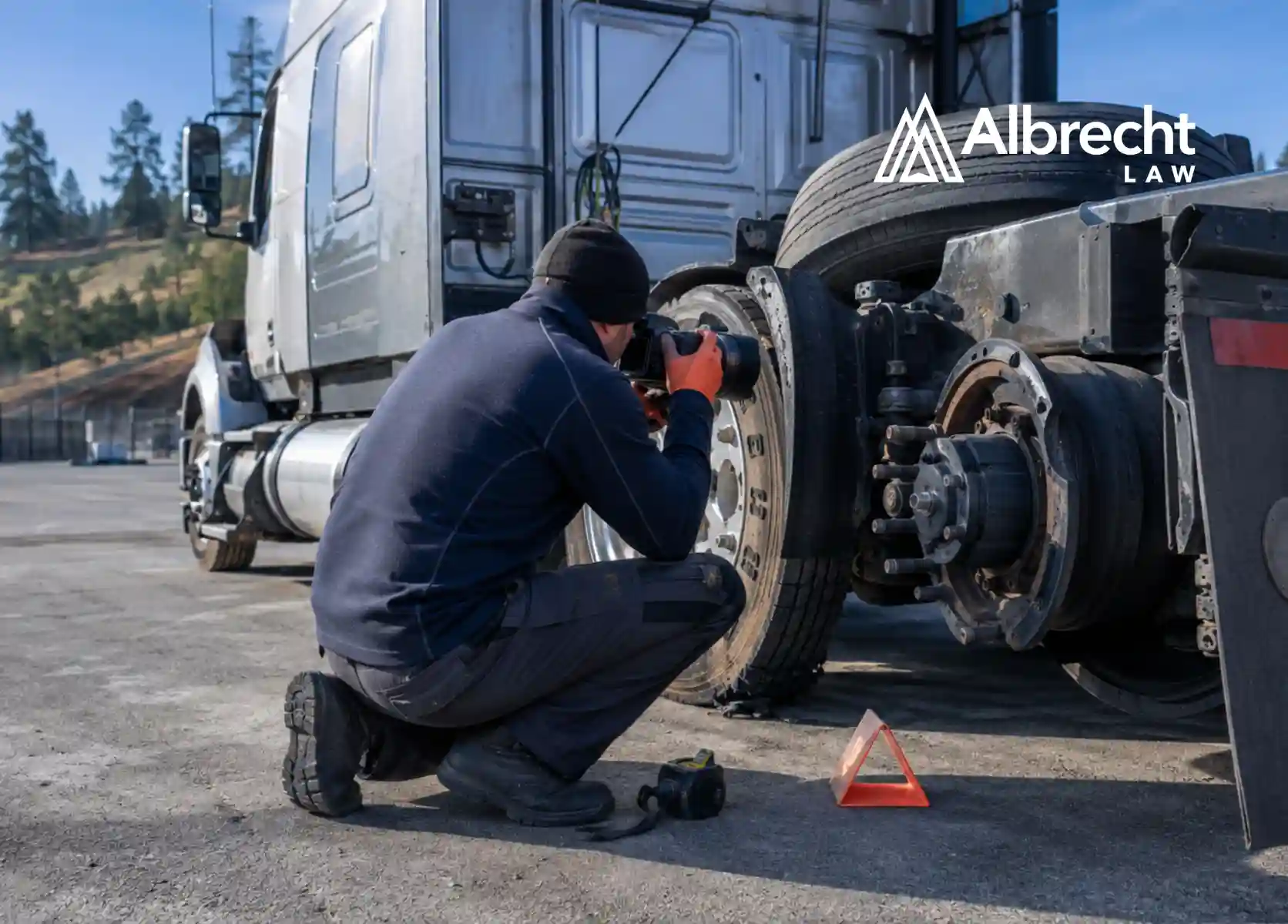
While you’re attending medical appointments and trying to manage your responsibilities, the trucking company and its insurance representatives are gathering information for their defense.
They are speaking with the driver, inspecting the commercial truck, reviewing company records, and determining how to limit their financial exposure. Their investigation serves the trucking company and its insurer. It isn’t an independent effort to protect you.
An adjuster could contact you before you know:
- Whether your pain will improve
- Whether you’ll need surgery or rehabilitation
- How long you’ll be unable to work
- Whether you can return to the same job duties
- Which parties share fault
- What the truck’s electronic information shows
- What insurance coverage applies
An early settlement offer often arrives when medical bills and other expenses are creating pressure. Before accepting it, determine whether the amount accounts for treatment you haven’t completed, income you’ll continue to lose, and limitations that could last longer than expected.
Once you settle and sign a release, you ordinarily can’t reopen the covered claim because your injuries worsened or additional medical expenses arose.
What Evidence Could Explain the Truck Crash?
A police report rarely contains all the evidence needed to evaluate a commercial truck accident. The investigation should also examine records created by the driver, truck, carrier, and businesses connected to the shipment.
Driver Logs and Electronic Logging Data
The Federal Motor Carrier Safety Administration’s hours-of-service regulations restrict driving and on-duty time for covered commercial drivers.
Many drivers who must maintain records of duty status use electronic logging devices. ELD data could show driving time, vehicle movement, mileage, and engine operation. Some drivers and operations qualify for exceptions to the federal ELD requirement.
Driver logs don’t always tell the entire story. Dispatch messages, fuel receipts, location information, and delivery records could confirm or conflict with them. Our blog about FMCSA hours-of-service violations in Spokane truck accident lawsuits explains how driving-hour evidence could affect liability.
Black Box and Video Information
The term black box refers to an engine-control module, event data recorder, or another onboard system. Depending on the truck and its equipment, stored information could include speed, braking, throttle position, and engine operation.
Some commercial trucks have forward-facing, driver-facing, side, or rear cameras. The truck’s technology must be identified before anyone can determine what data exists or how long it remains available.
Maintenance and Cargo Records
Maintenance records help establish whether the trucking company knew about worn brakes, damaged tires, steering problems, defective lights, or other unsafe conditions.
Cargo documents could identify who loaded the trailer and whether the freight was balanced and secured. The FMCSA’s cargo securement rules address methods intended to prevent freight from shifting or falling.
Other key evidence includes driver qualifications, inspection reports, repair invoices, dispatch communications, bills of lading, weight tickets, and drug or alcohol testing records when applicable.

What Does the Type of Collision Reveal?
Terms such as rear-end, jackknife, rollover, and blind-spot crash describe how the vehicles came together. They don’t establish liability by themselves, but they point investigators toward particular causes and records.
The Truck Couldn’t Stop
A rear-end collision raises questions about speed, following distance, distracted driving, driver fatigue, braking, cargo weight, and road conditions.
According to the FMCSA, a loaded tractor trailer traveling at 55 mph has an average stopping distance of approximately 196 feet under ideal conditions, compared with 133 feet for a passenger vehicle. Snow, ice, rain, increased speed, and poor maintenance extend the distance needed to stop.
The Trailer Swung or Rolled
A jackknife or rollover could involve excessive speed, improper braking, reduced traction, an abrupt steering response, unstable cargo, or a mechanical failure.
Spokane’s winter weather reduces traction, but weather alone doesn’t answer whether the truck driver adjusted speed and following distance appropriately.
The Truck Entered Your Lane or Turned Across It
A blind-spot, lane-change, or wide-turn accident requires examination of mirror use, cameras, signaling, lane position, speed, and driver training.
Commercial trucks have large blind spots, but the existence of a blind spot doesn’t automatically place fault on the driver of a smaller vehicle. Vehicle damage, video, witnesses, and electronic information help establish where the vehicles were and what each driver did.
Cargo Fell or Equipment Failed
Improperly secured cargo could contribute to a jackknife or rollover or fall into traffic. A failed tire, brake, steering system, or coupling device could implicate the trucking company, vehicle owner, maintenance provider, or truck manufacturer.
The physical failure is only the beginning of the inquiry. Inspection reports, repair histories, maintenance records, and cargo documents could show who controlled the vehicle or load and whether warning signs were ignored.
Who Could Be Held Liable for a Truck or 18-Wheeler Accident?
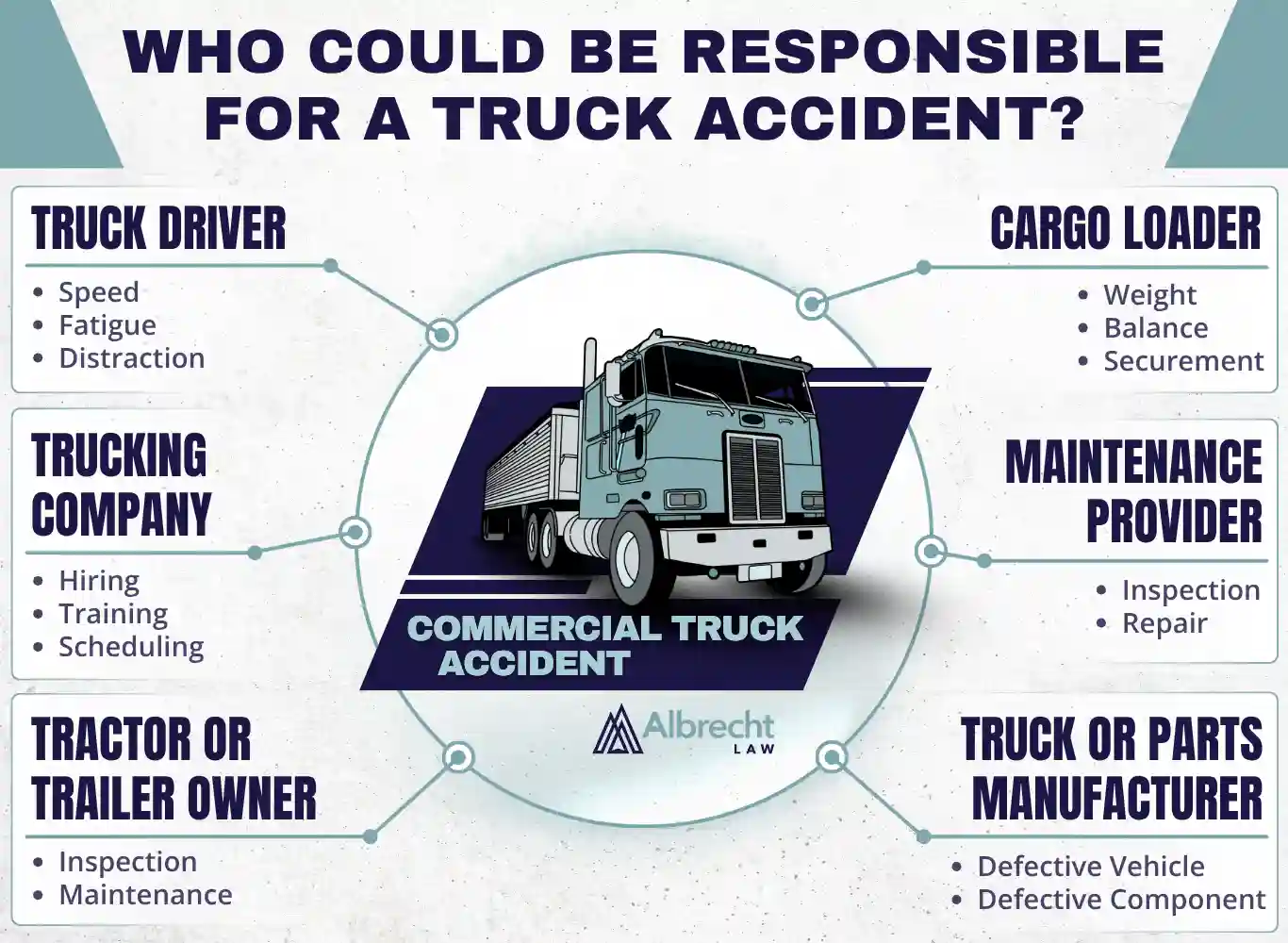
The truck driver isn’t always the only person or business legally responsible. Determining who is liable in a truck accident requires examining the driver’s conduct, the trucking company’s practices, the vehicle’s condition, and the roles of other commercial parties.
The Truck Driver
A driver could bear responsibility for speeding, following too closely, distracted driving, unsafe lane changes, impairment, or operating while fatigued.
The Trucking Company
Depending on the facts, a trucking company could be held responsible for its driver or for the company’s own conduct. Relevant issues include:
- Hiring and training drivers
- Supervising driver conduct
- Setting delivery schedules
- Monitoring driving hours
- Inspecting and maintaining vehicles
- Responding to reported safety problems
Evidence that a company was pressuring drivers to meet an unsafe schedule could be relevant when fatigue or speeding contributed to the collision.
Other Commercial Parties
The tractor and trailer could have different owners. One company could have loaded the cargo while another performed maintenance. A truck manufacturer or component company could bear responsibility if a defective product contributed.
Multiple parties don’t guarantee additional compensation. They do affect determining fault, locating insurance coverage, and identifying the records that explain what happened.
What Should You Know Before Speaking With an Insurance Adjuster?
The trucking company’s insurer protects its insured’s financial interests. Before discussing the accident, identify who the adjuster represents and what information is being requested.
Be cautious about:
- Giving a recorded statement before you’re prepared
- Guessing about speed, distance, or fault
- Saying you’re “fine” while treatment continues
- Signing a broad medical authorization
- Accepting an offer before future care is known
- Signing a release you haven’t reviewed
- Posting about the accident or your activities on social media
Your insurance policy sets out your obligations to cooperate with your own insurer. Those obligations differ from voluntary requests made by the trucking company’s insurance representative. Before giving a recorded statement, signing an authorization, or responding to a settlement offer, reach out to a truck accident attorney. Your attorney can evaluate the request, handle communications with the insurance companies, and protect you from resolving the claim before its medical and financial effects are known.
What Losses Should Your Truck Accident Claim Address?

Medical bills show only part of what the collision has cost. Serious injuries affect income, household responsibilities, mobility, sleep, relationships, and the ability to participate in normal activities.
Medical Expenses and Future Care
A personal injury claim could include reasonable expenses for emergency care, hospitalization, surgery, medication, rehabilitation, assistive equipment, and other accident-related treatment. Medical documentation also helps establish future care needs.
Lost Income and Reduced Earning Capacity
Compensation could address lost wages or other lost income. When lasting injuries reduce your ability to perform the same work or earn at the same level, diminished earning capacity also requires evaluation.
Property Damage and Related Expenses
Property damage includes repair or replacement of your vehicle and other damaged belongings. Towing, storage, rental costs, and loss of use could also be included.
Pain and Changes to Daily Life
A claim could account for physical pain, emotional distress, disability, disfigurement, and interference with daily activities. Work restrictions, photographs, medical records, and a factual account of the help you need provide important documentation.
There is no dependable average settlement that predicts what a specific claim is worth. Injuries, medical evidence, lost income, disputed fault, responsible parties, and available insurance coverage all affect its value.
What if the Trucking Company Blames You?
The trucking company or its insurer could claim that you entered a blind spot, changed lanes without enough room, stopped suddenly, or failed to account for traffic or road conditions. Under RCW 4.22.005, fault assigned to an injured person reduces compensatory damages proportionally but doesn’t automatically bar recovery.
An insurer’s accusation isn’t a final determination. Dash camera footage, vehicle damage, electronic data, witnesses, and driver logs could support or contradict it.
When multiple parties contributed, RCW 4.22.070 governs allocation of fault subject to its provisions and exceptions.
How Can a Spokane Truck Accident Attorney Help You?
By the time you speak with an attorney, the trucking company and its insurer have already started protecting their interests. You need someone investigating the collision for you.
At Albrecht Law, we begin by listening to what happened, how your injuries are affecting you, and what contact you’ve already had with insurance companies. From there, our investigation focuses on the facts and records that could establish liability and document your losses.
Depending on the circumstances, a truck accident attorney can:
- Identify the driver, motor carrier, tractor and trailer owners, cargo companies, and maintenance providers
- Send written notices requesting the preservation of vehicles, electronic data, video, and commercial records
- Compare the police report with driver logs, dispatch records, vehicle data, and physical evidence
- Determine which parties and insurance policies apply to the claim
- Handle communications with adjusters and evaluate requests for statements or authorizations
- Document medical expenses, lost income, future care, and changes to your daily life
- Prepare the claim for negotiations or litigation if the insurance companies dispute fault or the extent of your injuries
Because Albrecht Law accepts a limited number of cases, we have the time to examine the records, explain what we find, and keep you informed throughout the claim. You won’t be left trying to determine on your own what the trucking company’s evidence means or whether an insurer’s offer accounts for what the accident has cost you.
How Long Do You Have to File a Washington Truck Accident Claim?
The statute of limitations in Washington provides a three-year filing period for many Washington personal injury actions. In many truck accident cases, that period begins on the date of the collision.
Exceptions and additional requirements apply in some circumstances, particularly when a government entity is involved. The three-year time limit also doesn’t make waiting harmless. Trucks are repaired, video is overwritten, and witnesses become difficult to locate. The filing deadline and the practical time available to investigate are different concerns.

Frequently Asked Questions
Did I harm my claim by not taking photographs?
Not necessarily. Police photographs, witnesses, dash cameras, vehicle damage, towing records, and electronic truck data could still help establish what happened.
What if the truck driver didn’t receive a citation?
A citation isn’t required to bring a personal injury claim. Electronic data, commercial records, maintenance issues, and other evidence could provide information the officer didn’t have.
Does every semi truck have a black box?
No. Commercial trucks use different engine-control modules, electronic logging devices, and camera systems. The specific vehicle must be identified before anyone can determine what data exists.
Can I remain eligible to recover compensation if I share fault?
Yes, although your potential compensation would be reduced according to your percentage of fault under Washington law.
Should I accept an early settlement offer?
Consider whether your treatment is complete and whether the offer accounts for lost income, future care, and lasting limitations. Signing a release ordinarily ends the covered claim even if your condition later worsens.
What does a truck accident lawyer do?
A truck accident lawyer identifies the commercial parties, requests preservation of important evidence, examines federal regulations, locates insurance policies, documents your losses, and responds when insurers dispute fault or minimize injuries.
Contact Albrecht Law After a Truck or 18-Wheeler Accident in Spokane
You shouldn’t be expected to know which company owns the trailer, what information the truck’s black box contains, or whether driver logs conflict with dispatch records. When you’re already dealing with medical treatment, missed work, and insurance calls, investigating several commercial parties adds another burden.
At Albrecht Law PLLC, our truck accident attorneys have represented injured people throughout Washington for decades. Because we intentionally accept a limited number of cases, we give each truck accident claim focused attention while investigating the driver, trucking company, commercial records, available insurance coverage, and losses caused by the collision.
Our attorneys wrote the Washington Legal Reference Guides, publications frequently cited by the Washington Court of Appeals and Washington Supreme Court. Founding Attorney Matt Albrecht has also argued cases before the Washington State Supreme Court. That background informs the preparation and legal analysis we bring to truck accident cases, including claims involving federal safety violations and insurance companies that fail to handle claims fairly.
Call (509) 495-1246(509) 495-1246 or contact Albrecht Law PLLC through the confidential online form to schedule your free consultation and discuss your legal options. Our firm represents injured clients throughout Spokane County, Spokane Valley, and Eastern Washington.
Albrecht Law PLLC – Our Clients Are More Than Just Cases
Copyright © 2026. Albrecht Law PLLC. All rights reserved.
The information in this blog post (“post”) is provided for general informational purposes only and may not reflect the current law in your jurisdiction. No information in this post should be construed as legal advice from the individual author or the law firm, nor is it intended to be a substitute for legal counsel on any subject matter. No reader of this post should act or refrain from acting based on any information included in or accessible through this post without seeking the appropriate legal or other professional advice on the particular facts and circumstances at issue from a lawyer licensed in the recipient’s state, country, or other appropriate licensing jurisdiction.
Albrecht Law PLLC
5105 E. 3rd Avenue, Suite 101
Spokane Valley, WA 99212
(509) 495-1246(509) 495-1246
https://albrechtlawfirm.com/
Schedule A Free
Consultation Today
No Fee Unless You Win
Call (509) 495-1246(509) 495-1246, or fill out the short form. Don’t hesitate, your questions are welcome.
Required Fields*
Your Information Is Safe With Us
For more information on how your data will be handled, Please Visit Privacy Policy. The information you provide will be used to answer your question or to schedule an appointment if requested.
Related Blog Posts
Can You Sue Someone for a Car Accident in Spokane, Washington?
The insurance company already has a number in mind. You may have seen it sooner than you expected, through a call, an email, or a check that feels low compared…
How to File a Diminished Value Claim After a Car Accident in Spokane, Washington
A car accident in Spokane, Washington can leave you dealing with more than visible property damage. Even after repairs are complete, your vehicle may never be worth what it was…
What Are the Pros and Cons of a Dash Cam in Spokane, Washington?
Each time you get behind the wheel, you hope to reach your destination without incident. Unfortunately, a moment of distracted driving, poor road conditions, or another driver’s mistake can change…
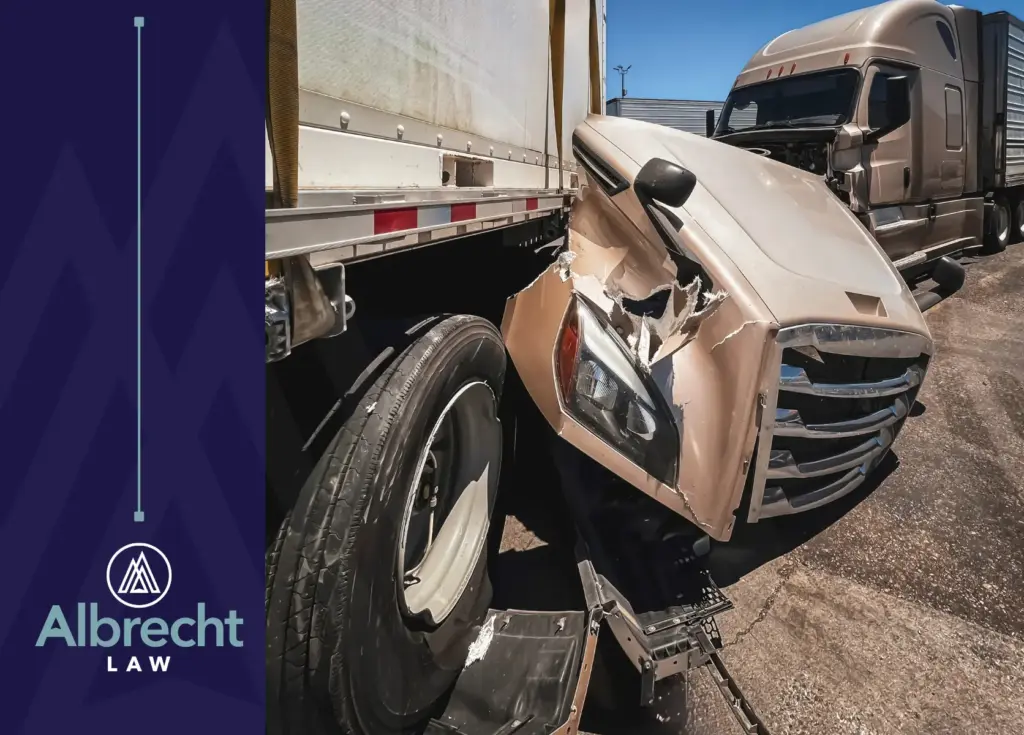
The Role of an FMCSA HOS Violation in a Truck Accident Lawsuit in Spokane, WA
A loaded semi truck traveling at highway speed needs the length of a football field to stop under ideal conditions. When the driver behind the wheel hasn’t slept in over…